
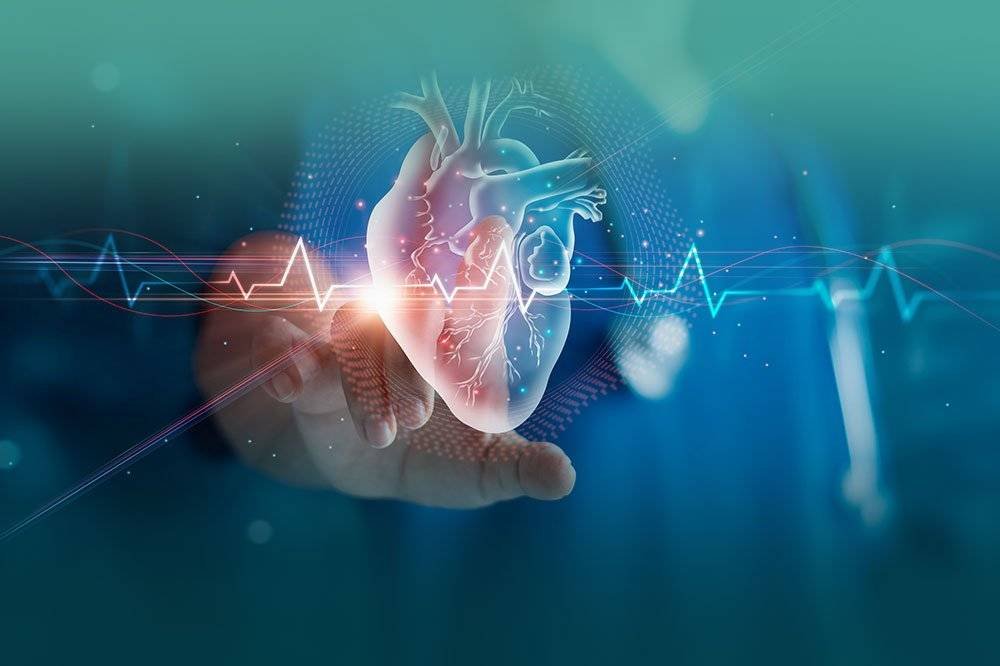
Cardiology is the branch of medicine that deals with the study, diagnosis, and treatment of heart and blood vessel disorders. Since the heart is one of the most vital organs in the human body, cardiology plays a crucial role in maintaining overall health and preventing life-threatening conditions.
Why Cardiology Matters
The heart pumps blood throughout the body, supplying oxygen and nutrients that keep us alive. Any disruption in its function can affect the entire system. Cardiology focuses on:
- Heart health monitoring – identifying risks like high blood pressure, cholesterol, or irregular heartbeats.
- Prevention – helping patients adopt lifestyle changes that reduce heart disease risk.
- Treatment – providing medical or surgical solutions for heart conditions.
Common Heart Conditions
Some of the most common issues studied in cardiology include:
- Coronary Artery Disease (CAD): Narrowing of heart arteries due to cholesterol buildup.
- Heart Attack (Myocardial Infarction): Blockage of blood flow to the heart muscle.
- Heart Failure: When the heart cannot pump blood effectively.
- Arrhythmia: Irregular heartbeat, either too fast or too slow.
- Hypertension (High Blood Pressure): A leading risk factor for heart disease.
Signs You Shouldn’t Ignore
Early detection is key to preventing serious problems. Some warning signs include:
- Chest pain or discomfort
- Shortness of breath
- Unexplained fatigue
- Swelling in legs or ankles
- Rapid or irregular heartbeat
If these symptoms occur, it’s important to seek medical advice promptly.
Tips for a Healthy Heart
Cardiology isn’t just about treating diseases—it’s also about prevention. You can protect your heart by:
- Eating a balanced diet rich in fruits, vegetables, and whole grains
- Exercising at least 30 minutes a day
- Avoiding smoking and excessive alcohol consumption
- Managing stress through relaxation techniques
- Going for regular health check-ups
The Future of Cardiology
Advancements in technology, such as AI-assisted diagnostics, minimally invasive procedures, and new medications, are making cardiology more effective than ever. Preventive cardiology is also gaining importance, focusing on lifestyle changes and early intervention.