
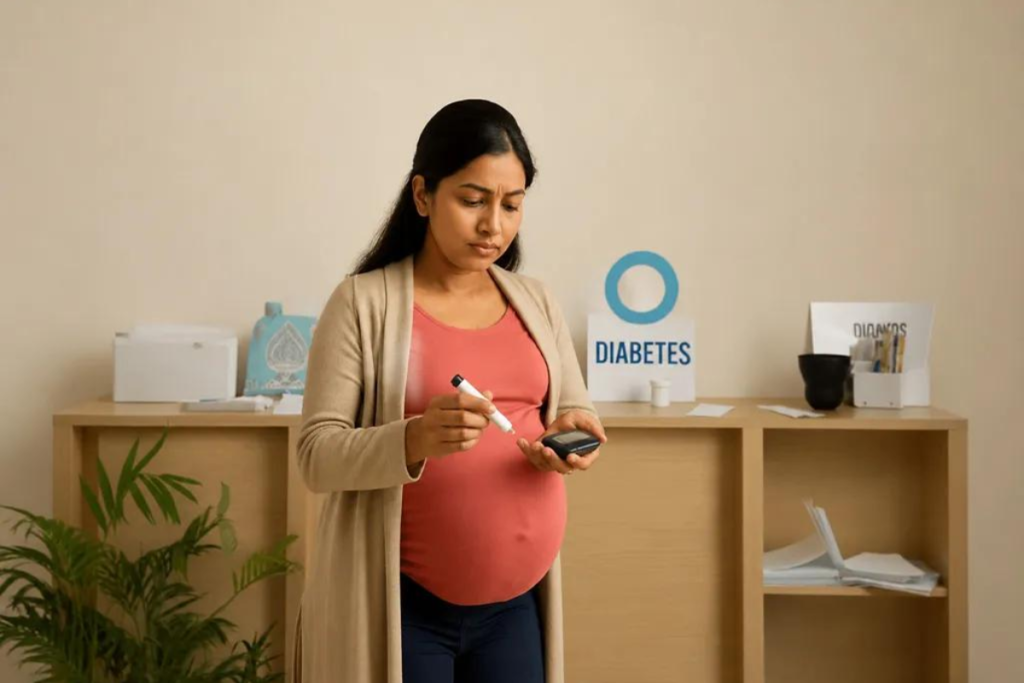
Pregnancy brings important physical changes, and some women need additional monitoring to support their health and the development of their baby. Gestational diabetes is one condition that may be identified during pregnancy. With appropriate screening, monitoring and individualized care, women can receive support to manage their health throughout pregnancy and after delivery.
Understanding the condition can help expectant mothers feel better prepared to discuss their care with a healthcare professional.
What Is Gestational Diabetes?
Gestational diabetes mellitus (GDM) is a form of diabetes first recognized during pregnancy that does not clearly meet the criteria for diabetes diagnosed before pregnancy. It occurs when the body cannot maintain blood glucose within the recommended range during pregnancy.
Pregnancy-related hormonal changes affect how the body uses insulin. Some women develop elevated blood glucose levels as a result.
Gestational diabetes may not cause noticeable symptoms, which is one reason recommended screening and antenatal appointments are important.
Who May Need Particular Attention?
Gestational diabetes can occur in women with or without known risk factors. Certain factors may increase the likelihood of developing it, including:
A history of gestational diabetes in a previous pregnancy.
A previous pregnancy involving a large baby.
A family history of diabetes.
Overweight or obesity before pregnancy.
Certain pre-existing metabolic conditions.
Having one or more risk factors does not mean a woman will definitely develop gestational diabetes. Screening and assessment should follow local clinical recommendations.
Why Is Screening Important?
Screening helps identify elevated blood glucose levels so that appropriate care can begin. The timing and method of screening depend on current local guidance, individual risk factors and clinical circumstances.
A healthcare professional may recommend blood glucose testing and explain how to prepare for it. Women should follow the instructions provided by their antenatal care team rather than relying on symptoms to determine whether testing is necessary.
Managing Blood Glucose During Pregnancy
Management depends on blood glucose results and individual clinical needs. A care plan may include:
Nutrition guidance: Regular, balanced meals can help support nutritional needs and blood glucose management. The appropriate meal pattern should be tailored to the individual.
Physical activity: Safe physical activity may be recommended when appropriate for the pregnancy and the woman’s health.
Blood glucose monitoring: Some women may need to monitor glucose at home or attend clinical appointments for testing. Their healthcare professional will explain the recommended targets and frequency.
Medication when needed: If lifestyle measures are not sufficient to maintain glucose within the recommended range, medication may be advised. The choice of treatment should be made by the treating clinician.
Women should not start, stop or change diabetes medication without professional guidance.
Nutrition During Gestational Diabetes
A diagnosis of gestational diabetes does not mean that a woman should stop eating carbohydrates or follow a severe weight-loss diet. Both the mother and baby need appropriate nutrition.
A healthcare professional or registered dietitian may recommend:
Eating regular, balanced meals.
Including vegetables, pulses and suitable protein sources.
Choosing appropriate whole-grain and higher-fibre foods.
Adjusting portions and distributing carbohydrate foods across meals and snacks when advised.
Limiting frequent sugary drinks and foods high in added sugar.
Maintaining adequate hydration.
Individual needs vary, so a meal plan should account for glucose readings, nutritional requirements, cultural food preferences and other health conditions.
What Does High-Risk Pregnancy Mean?
A high-risk pregnancy is one in which the mother, baby or both may have a greater likelihood of complications and may need closer monitoring. Gestational diabetes can be one reason for additional care, but other medical and pregnancy-related factors may also contribute.
A high-risk designation does not mean that a complication will definitely occur. It indicates that healthcare professionals may recommend more frequent appointments, additional investigations or specialist care.
Why Follow-Up After Delivery Matters
Blood glucose often improves after delivery, but women who have had gestational diabetes have an increased risk of developing type 2 diabetes later in life.
Postpartum glucose testing is therefore important according to the recommended schedule. Ongoing follow-up, balanced nutrition, physical activity and discussions with a healthcare professional can help support long-term health.
Women planning another pregnancy should also inform their clinician about their previous history of gestational diabetes.
When to Contact Your Healthcare Professional
Attend recommended antenatal appointments and follow your care team’s instructions for blood glucose monitoring. Contact your healthcare professional if readings repeatedly fall outside your advised range, you are unsure how to use your monitoring equipment, or you experience symptoms that concern you.
Seek urgent medical care for severe or rapidly worsening symptoms.
Conclusion
Gestational diabetes can be managed with an individualized care plan, appropriate screening, nutrition guidance and monitoring. Regular antenatal care helps identify concerns and supports decisions about treatment during pregnancy.
With suitable follow-up after delivery, women can also take steps to protect their long-term health.
References and Further Reading
India National Health Mission, Maternal Health Guidelines:
https://nhm.gov.in/en/component/content/index1.php?lang=1&level=3&lid=377&sublinkid=839World Health Organization, Recommendations on Antenatal Care for a Positive Pregnancy Experience:
https://www.who.int/publications/i/item/9789241549912WHO Maternal Health Resources:
https://www.who.int/health-topics/maternal-health
Medical Disclaimer: This article is for educational purposes only and does not replace professional medical advice, diagnosis or treatment. Please consult a qualified healthcare professional for individual guidance.