
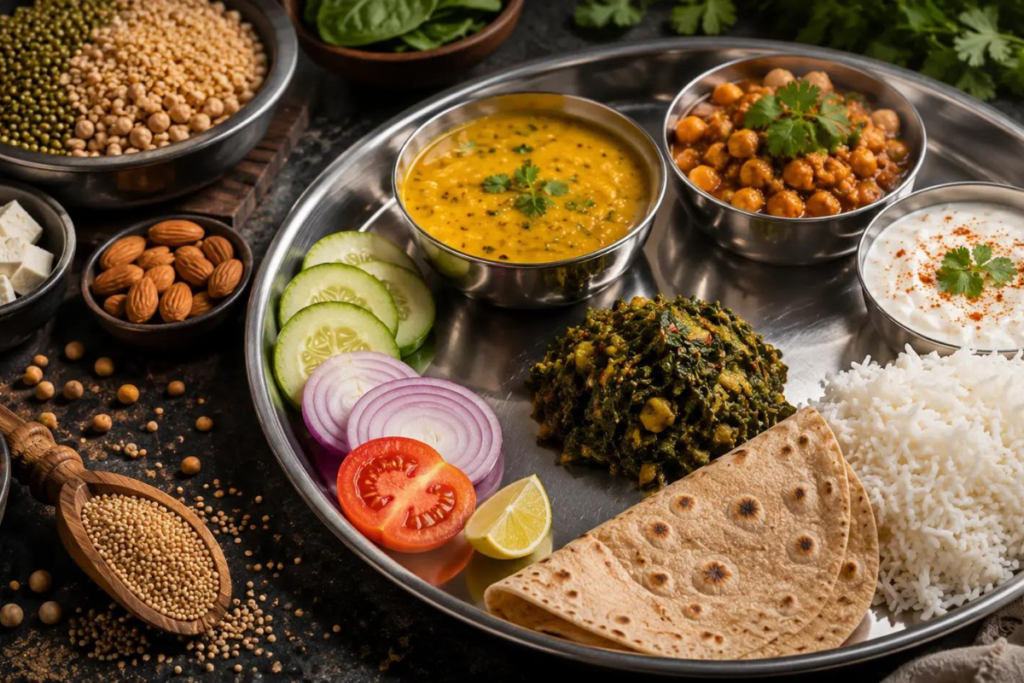
Eating well can support overall health for women living with polycystic ovary syndrome (PCOS), also referred to as polyendocrine metabolic ovarian syndrome (PMOS) in updated international terminology. However, there is no single diet that has been proven to be the best choice for every person with this condition.
A realistic approach focuses on balanced meals, enjoyable foods and habits that can be maintained over time.
Is There a Specific Diet for PCOS?
Different dietary approaches may suit different people. Current evidence does not establish one particular diet as universally superior for hormonal, reproductive or metabolic outcomes.
Rather than following restrictive plans promoted online, women can focus on adequate nutrition, dietary variety and personal preferences.
Food choices should also take account of cultural practices, budget, food availability, other medical conditions and individual nutritional needs.
Include Whole Grains and Fibre
Whole grains provide fibre and other nutrients that contribute to a balanced diet. Depending on individual needs and preferences, options may include:
-
Whole-wheat roti.
-
Oats and daliya.
-
Brown rice or other minimally processed grains.
-
Millets such as jowar and bajra.
-
Whole-grain breads and cereals.
Portion sizes and meal composition should be adapted to individual needs rather than following a rigid formula.
Add Pulses and Suitable Protein Sources
Protein helps support normal body functions and can contribute to satisfying meals. Familiar Indian options include dal, rajma, chana, beans, peas, curd, paneer, tofu, nuts and seeds.
People who eat eggs, fish or meat may include these foods according to their preferences and healthcare needs.
Combining pulses, vegetables and whole grains can make everyday meals varied and nutritionally balanced.
Eat a Variety of Vegetables and Fruit
Vegetables and fruit provide fibre, vitamins, minerals and other beneficial nutrients.
Try including different colours and types across the week. Seasonal produce can be a practical and affordable choice.
Whole fruit is generally preferable to relying on fruit juices as a regular substitute, since whole fruit provides fibre and requires more chewing.
What About Sugar and Processed Foods?
There is no need to label individual foods as universally forbidden. However, frequently consuming large amounts of sugary drinks and highly processed foods may make it harder to maintain an overall balanced eating pattern.
A practical approach is to enjoy foods in moderation while building most meals around vegetables, pulses, suitable protein sources and whole grains.
Avoid extreme diets or eliminating entire food groups without a clear clinical reason.
Lifestyle Habits Matter Too
Nutrition is one part of overall care. Other useful areas to discuss with a healthcare professional include:
-
Regular physical activity that suits individual abilities.
-
Adequate and consistent sleep.
-
Stress management and emotional well-being.
-
Appropriate screening for metabolic concerns.
-
Individualized management of menstrual and hormonal symptoms.
No food, tea, supplement or diet can be promised to cure PCOS.
An Example of a Balanced Indian Day
The following is an illustrative example, not a prescribed meal plan:
Breakfast: Vegetable oats, or besan chilla with suitable curd.
Lunch: Roti or another whole grain, dal or rajma, cooked vegetables and salad.
Snack: A piece of fruit with a small portion of nuts, if suitable.
Dinner: Roti or rice with vegetables and a protein source such as dal, paneer, tofu or beans.
Meal portions and ingredients should be adapted to personal requirements, allergies, medical conditions and advice from a qualified professional.
When to Seek Individual Advice
A registered dietitian or healthcare professional can help tailor nutrition advice for people with PCOS, diabetes, pregnancy, food allergies or other specific needs. Seek medical assessment for persistent menstrual irregularities, significant changes in symptoms or concerns about fertility.
Conclusion
Managing nutrition with PCOS does not have to involve expensive foods or complicated rules. Familiar Indian meals can form part of a balanced eating pattern when they provide adequate variety and suit individual needs.
The most useful plan is one that supports health, is practical to follow and avoids unnecessary restriction or unsupported claims.
References and Further Reading
-
2023 International Evidence-Based Guideline for PCOS Assessment and Management:
https://pmc.ncbi.nlm.nih.gov/articles/PMC10477934/ -
Monash University, International PCOS/PMOS Guideline:
https://www.monash.edu/medicine/mchri/pcos/guideline -
PubMed, International Guideline Publication:
https://pubmed.ncbi.nlm.nih.gov/37580314/
Medical Disclaimer: This article is for educational purposes only and does not replace professional medical advice, diagnosis or treatment. Please consult a qualified healthcare professional for individual guidance.