
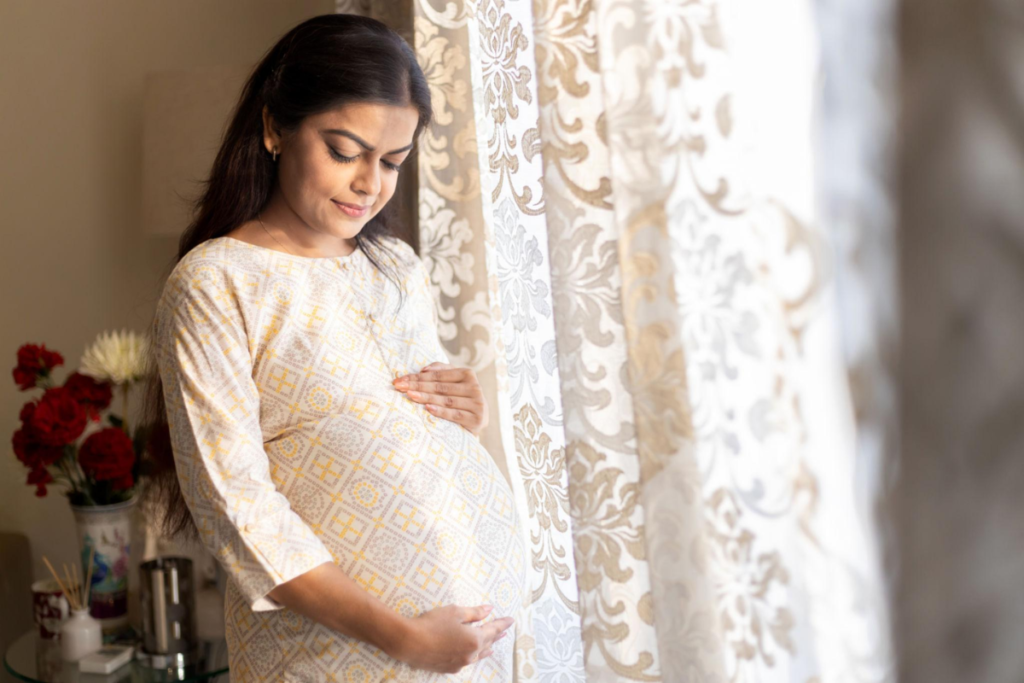
Nutrition during pregnancy supports the health of the mother and the development of the baby. A balanced eating pattern, appropriate supplements and good food-safety practices can contribute to a healthier pregnancy.
Nutritional needs vary between individuals and across pregnancy. Women should seek personalized advice rather than relying on restrictive diets or unverified online recommendations.
Build a Balanced Pregnancy Diet
A varied diet can provide energy, protein, vitamins, minerals and fibre. Depending on personal preferences and medical needs, meals may include:
Vegetables and seasonal fruit.
Whole grains such as roti, oats, daliya and rice.
Pulses, beans and other suitable protein sources.
Pasteurized dairy products or appropriate alternatives.
Nuts and seeds, where suitable.
Adequate fluids throughout the day.
Pregnancy does not mean that every woman needs to eat twice as much. Energy needs change over the course of pregnancy and should be considered alongside individual health and nutritional status.
Important Nutrients During Pregnancy
Folic acid: Folic acid is important before conception and during early pregnancy because it helps reduce the risk of neural tube defects. The appropriate dose should follow current clinical guidance.
Iron: Iron supports the production of haemoglobin. Iron requirements increase during pregnancy, and supplementation may be recommended according to local guidance and individual needs.
Calcium and vitamin D: These nutrients support bone health and other normal body functions. Suitable dietary sources and supplementation can be discussed with a healthcare professional.
Protein: Protein supports the growth and development of maternal and fetal tissues. Pulses, beans, dairy foods, tofu, nuts and other suitable sources can contribute.
Other nutrients: Iodine, vitamin B12 and other nutrients may also require attention depending on dietary patterns, health conditions and clinical assessment.
Do not start high-dose supplements or combine multiple prenatal products without checking with a qualified healthcare professional.
Follow Food-Safety Practices
Food hygiene is especially important during pregnancy. Helpful precautions include:
Wash hands, utensils and food-preparation surfaces thoroughly.
Wash fruit and vegetables before eating or preparing them.
Cook meat, eggs, seafood and other foods thoroughly where applicable.
Choose pasteurized milk and dairy products.
Avoid foods known to pose pregnancy-related infection risks, including unpasteurized products and unsafe raw or undercooked animal foods.
Store refrigerated foods appropriately and avoid food that may have spoiled.
Local food-safety guidance and individual medical circumstances should guide specific choices.
Common Pregnancy Nutrition Myths
Myth: Every pregnant woman must eat twice as much.
Fact: Nutritional needs change during pregnancy, but the amount of additional energy required varies. Follow individualized guidance.
Myth: All supplements are safe because they contain vitamins.
Fact: Supplements can contain excessive doses or ingredients that are unsuitable during pregnancy. Check with a healthcare professional before taking them.
Myth: A restrictive diet is the best way to control pregnancy weight gain.
Fact: Pregnancy requires adequate nutrition. Weight management should be guided by clinical advice rather than severe restriction.
Myth: Herbal products are always safe because they are natural.
Fact: Some herbal products may be unsuitable during pregnancy or may interact with medicines. Seek professional advice before using them.
Why Antenatal Visits Matter
Antenatal appointments help healthcare professionals monitor maternal health, assess fetal development and identify nutritional or medical concerns. Depending on individual needs, care may include blood tests, blood pressure monitoring, anaemia screening and advice about supplements.
Women with diabetes, anaemia, thyroid conditions, food allergies or other health concerns may need a more tailored nutrition plan.
Conclusion
Pregnancy nutrition is about variety, food safety and meeting individual nutritional needs—not following a perfect menu or taking every available supplement. Balanced meals, appropriate clinical advice and regular antenatal care can help women make informed choices throughout pregnancy.
References and Further Reading
World Health Organization, Recommendations on Antenatal Care for a Positive Pregnancy Experience:
https://www.who.int/publications/i/item/9789241549912FOGSI–UNFPA India, Pre-conception Care:
https://india.unfpa.org/en/publications/fogsi-unfpa-brief-pre-conception-care-sampoorna-swasth-janm-abhiyanWHO Maternal Health Resources:
https://www.who.int/health-topics/maternal-health
Medical Disclaimer: This article is for educational purposes only and does not replace professional medical advice, diagnosis or treatment. Please consult a qualified healthcare professional for individual guidance.